
From Grove to Table: How Olive Oil Is Made
A Pantry Staple With a Long Story
Olive oil is one of those ingredients that quietly makes everything better. It adds depth to roasted vegetables, richness to salad dressings, flavor to marinades, and that perfect finishing touch to fresh bread, pasta, and grilled meats.
But before olive oil makes its way into your kitchen, it goes through a careful process rooted in tradition, timing, and craftsmanship. From the olive groves of the West Bank to the bottle on your shelf, every step matters.
At Deer Park Farm, we love products that carry a sense of place. Olive oil is one of those foods that tells a story through flavor.
It Starts With the Olive Trees
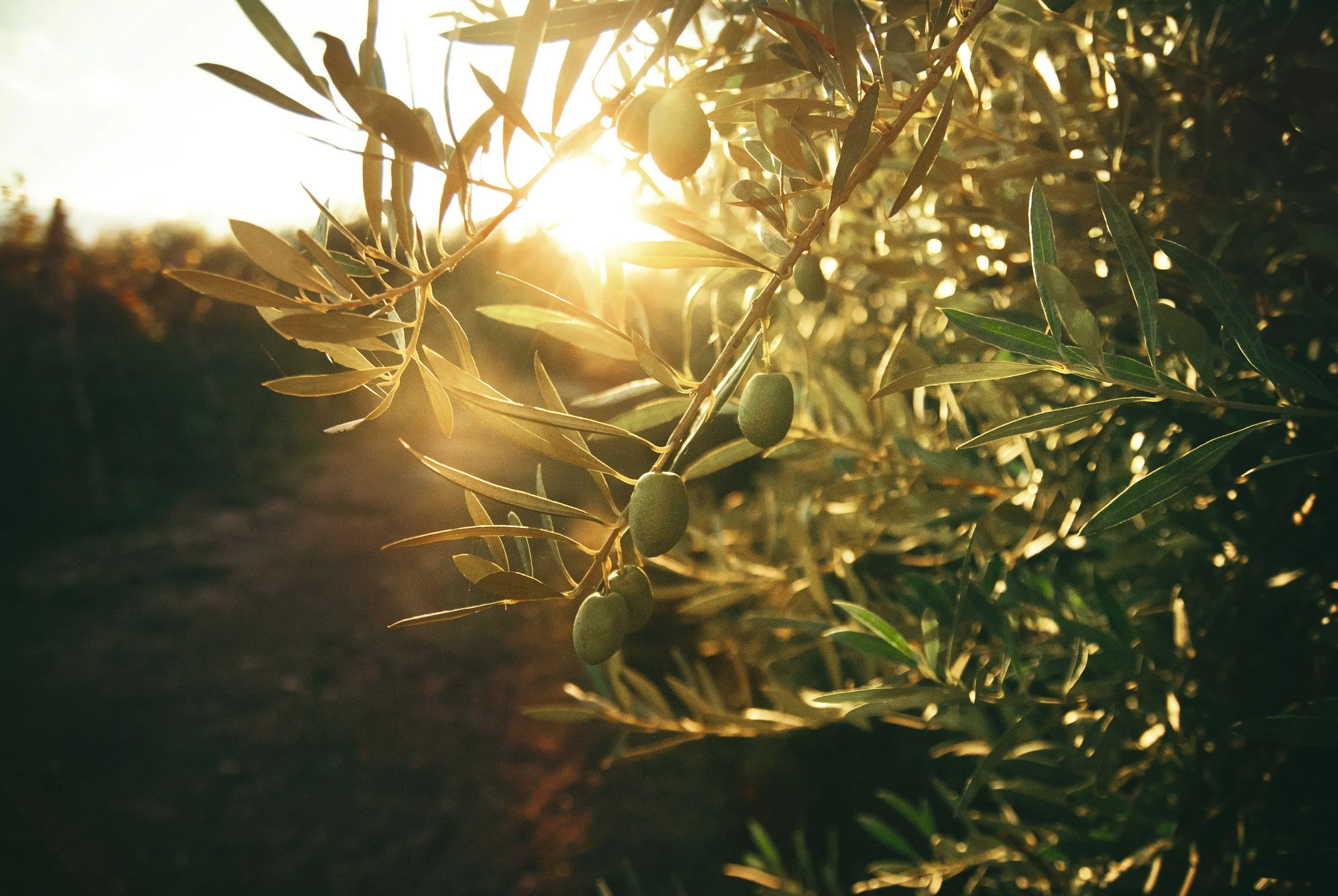
Olive oil production begins in the grove. Olive trees are known for their resilience and longevity, often growing in rocky, dry landscapes where other crops may struggle. The West Bank has a long history of olive cultivation, with trees that are deeply connected to local agriculture, family traditions, and seasonal harvests.
The quality of olive oil starts long before pressing. Soil, climate, tree age, and harvest timing all influence the final flavor. Some oils taste grassy and peppery, while others are smooth, mild, and buttery. That flavor begins with the fruit itself.
Harvesting at the Right Time
Timing is one of the most important parts of olive oil production.
Olives are typically harvested when they reach the right balance of ripeness. Green olives often produce oil with a bolder, more peppery flavor, while riper olives may create a smoother, more mellow oil. The harvest window is short, which means producers have to move carefully and efficiently.
In many traditional olive-growing regions, olives are harvested by hand or with tools that gently shake the fruit from the branches. The goal is to protect the olives from bruising, because damaged fruit can affect the taste and quality of the oil.
From Olive to Oil
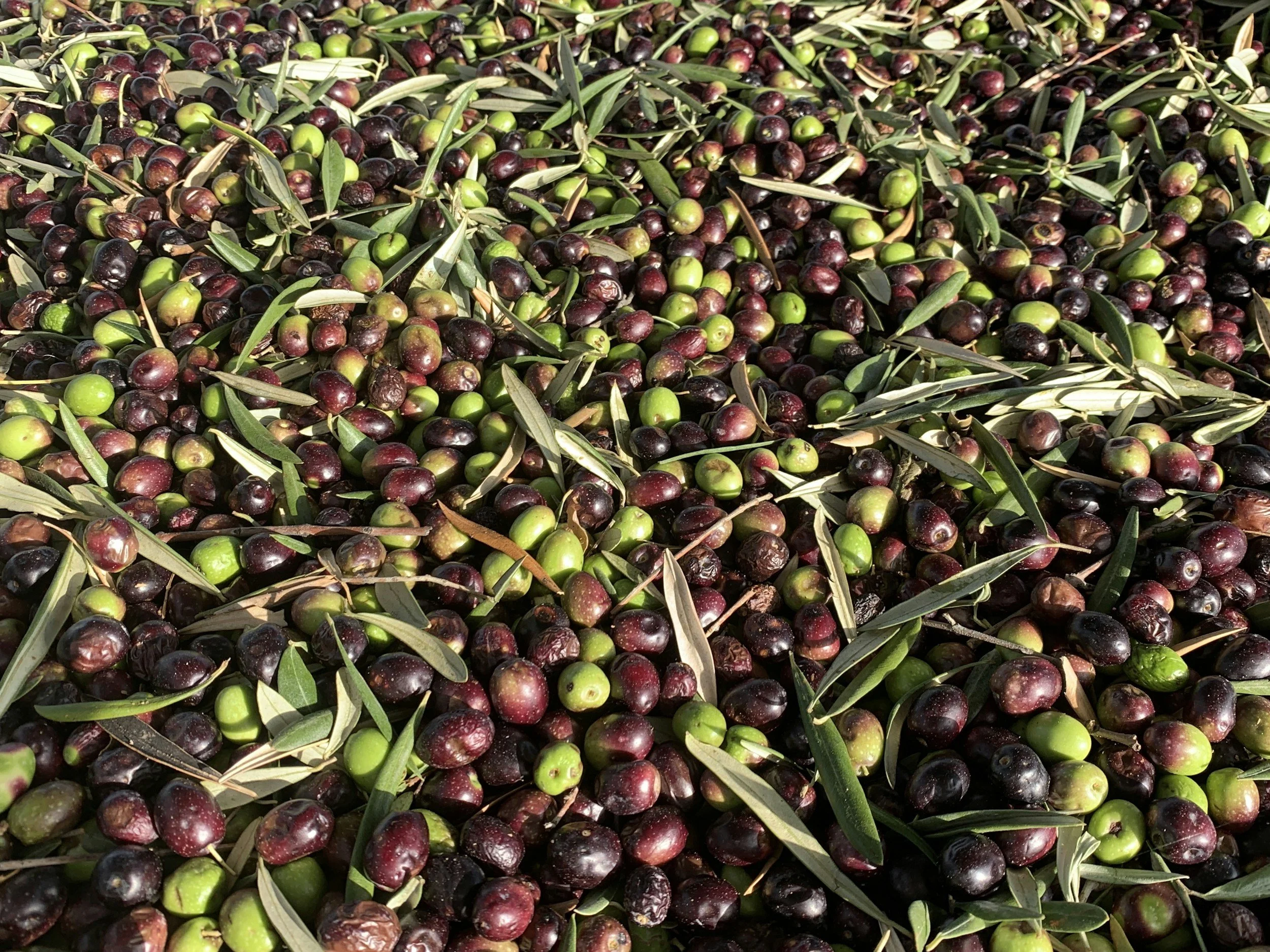
Once harvested, olives are taken to be milled as quickly as possible. Freshness matters. The longer olives sit before processing, the more likely the flavor and quality can change.
The production process generally includes:
Cleaning: Leaves, twigs, and debris are removed from the olives.
Crushing: The whole olives, including the pits, are crushed into a thick paste.
Mixing: The paste is slowly mixed to help the tiny oil droplets come together.
Extracting: The oil is separated from the solids and water, often using a centrifuge.
Storing: The fresh oil is stored in a cool, dark environment to protect its flavor.
This process may sound simple, but the details make all the difference. Temperature, timing, equipment, and handling all affect the final product.
Why Freshness and Storage Matter
Olive oil is best protected from heat, light, and air. That is why many olive oils are packaged in dark bottles or containers that help preserve quality.
Once opened, olive oil should be stored in a cool, dark place and used regularly. This is not an ingredient meant to sit untouched in the back of the pantry for years. The best way to enjoy olive oil is to use it often.
Drizzle it over warm bread, whisk it into vinaigrettes, add it to marinades, roast vegetables with it, or finish soups and pasta with a little pour right before serving.
More Than an Ingredient
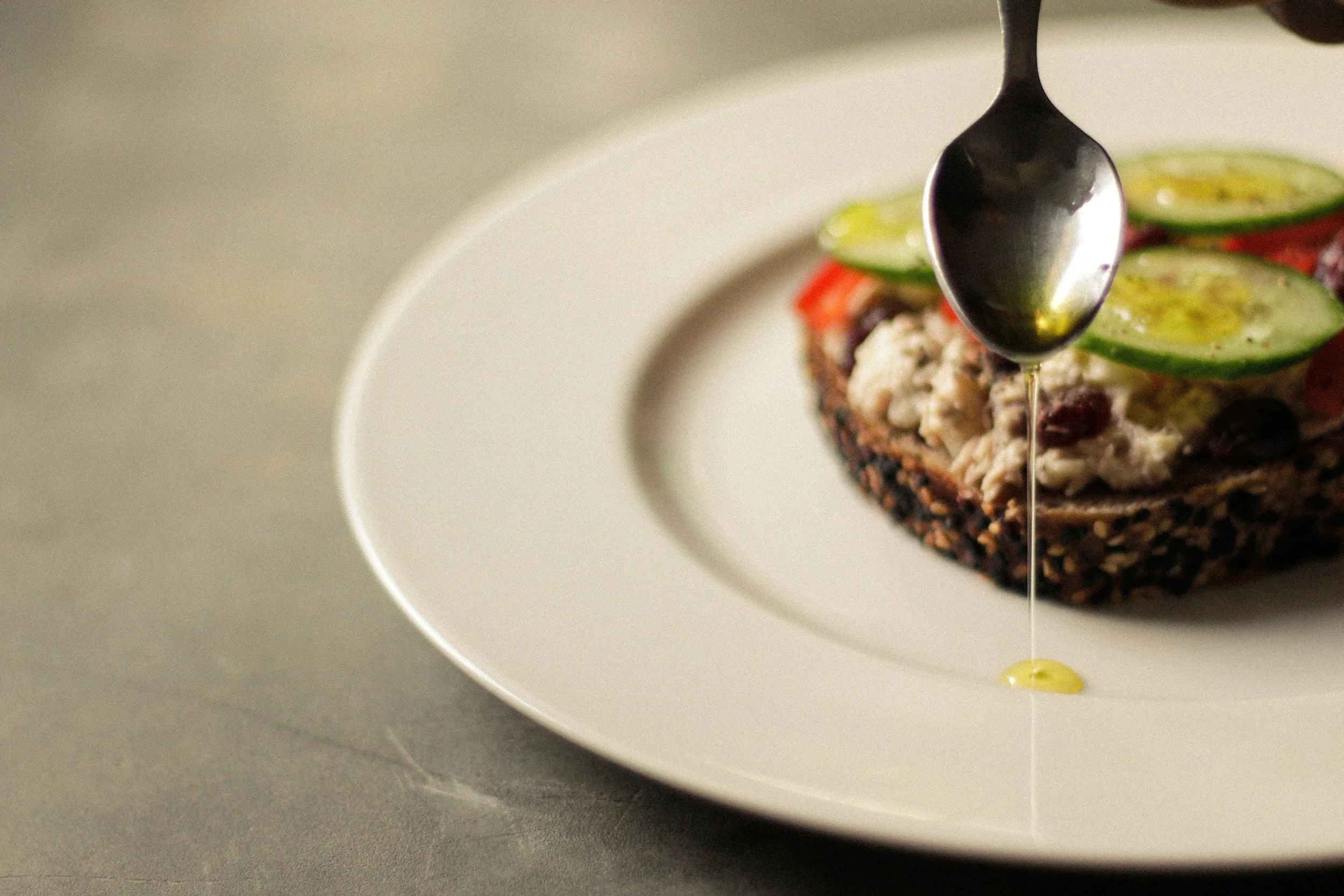
Olive oil is practical, beautiful, and deeply rooted in food traditions around the world. In the West Bank, olive growing is part of everyday life and seasonal rhythm, connecting land, families, and food.
That connection is part of what makes olive oil special. It is not just a cooking oil. It is a product shaped by place, patience, and process.
Bring It to Your Table
Deer Park Farm’s olive oil is a versatile pantry staple for home cooks, food lovers, and anyone who appreciates simple ingredients with real flavor. Pair it with our green olives and black olives for charcuterie boards, salads, appetizers, pasta dishes, and Mediterranean-inspired meals.
Whether you are cooking dinner, building a snack board, or looking for a thoughtful farm-fresh gift, olive oil is always a good place to start.
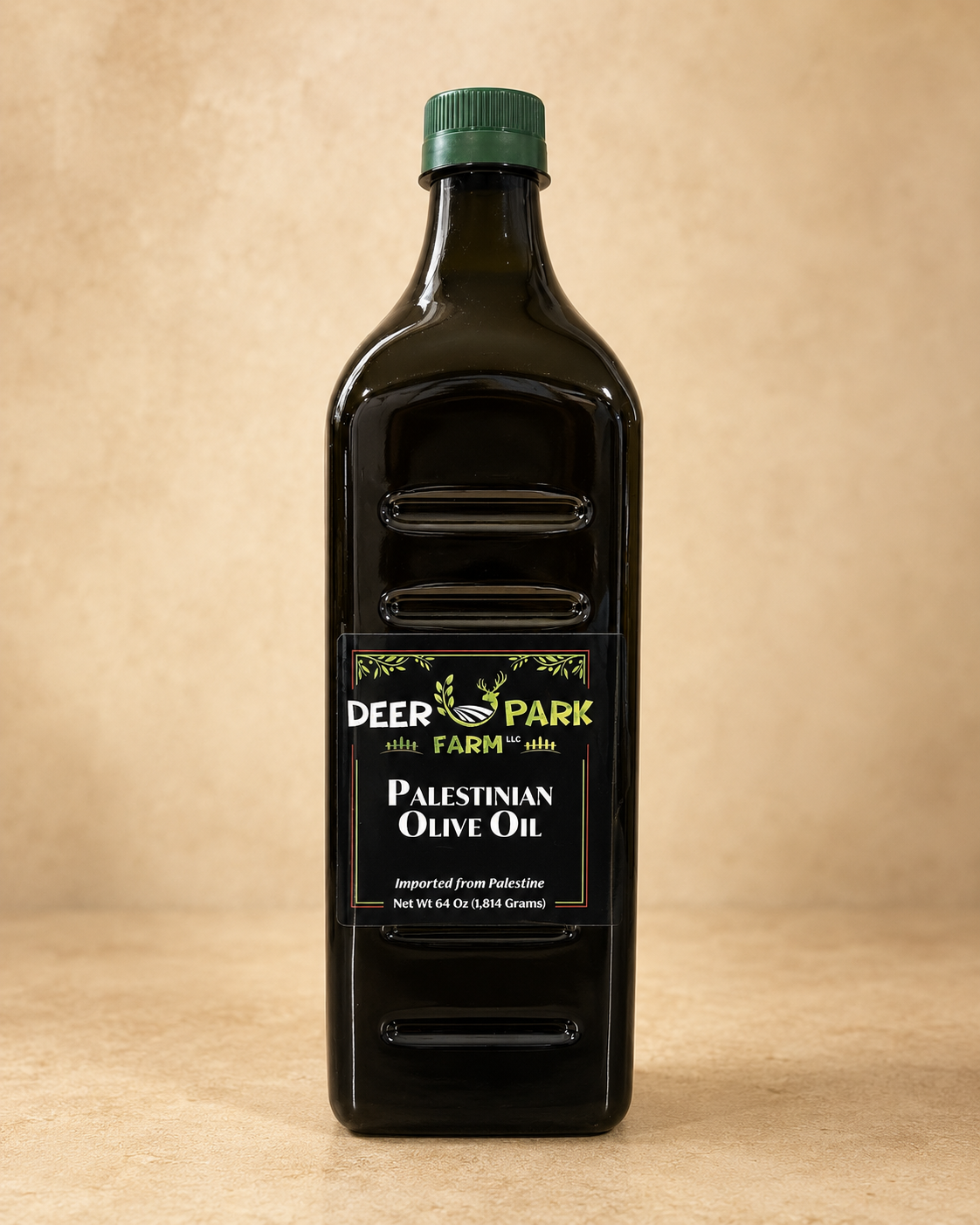
Bring rich, traditional flavor to your kitchen with Deer Park Farm’s Palestinian Olive Oil. Imported from Palestine, this smooth and flavorful olive oil is perfect for cooking, dipping, drizzling, marinades, salad dressings, and finishing your favorite dishes. Keep it on hand as a pantry staple for everyday meals, Mediterranean recipes, fresh vegetables, breads, pasta, and more.
