
Clean Eating Starts With Knowing What’s on Your Plate
Clean eating does not have to mean following a strict diet or eliminating everything that comes in a jar, bag, or package.
To us, it means something much simpler: knowing what is in your food, where it came from, and how it was made.
That matters more than ever as ultra-processed foods make up a large part of the modern American diet. In a controlled National Institutes of Health study, participants eating an ultra-processed diet consumed about 500 more calories per day than when they ate a minimally processed diet, even though the meals were designed to contain similar amounts of calories, sugar, fat, fiber, and carbohydrates.
That is one reason we believe there is real value in getting back to recognizable ingredients and thoughtfully prepared food.
Real Food Does Not Have to Be Complicated
Processing itself is not the problem.
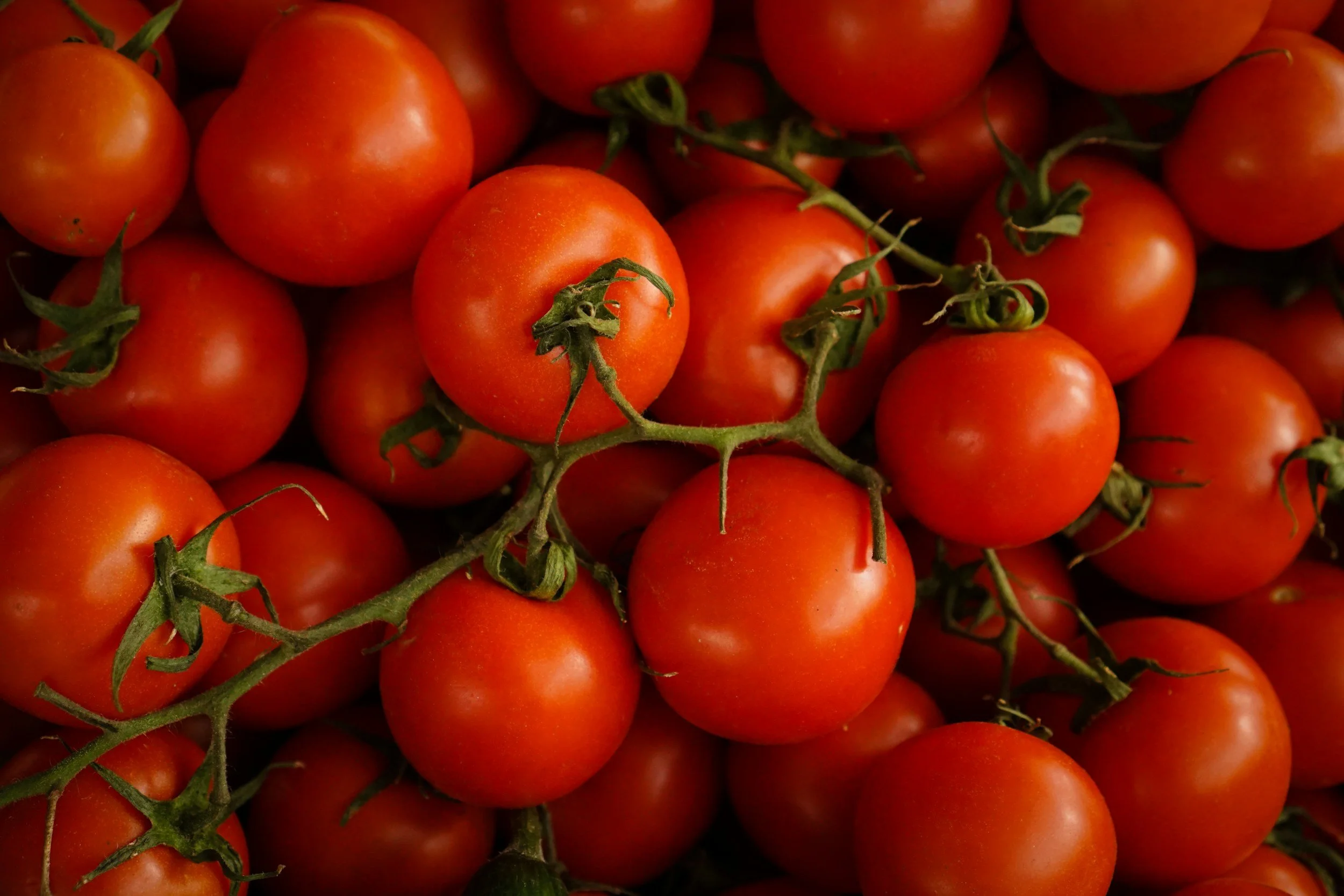
Cooking tomatoes into salsa is processing. Making fresh pasta is processing. Fermenting mustard is processing.
The question is what goes into the food and why.
At Deer Park Farm, our kitchen focuses on real ingredients and traditional preparation methods. We do not use artificial colors or sweeteners, and we avoid conventional preservatives in the foods we make.
Our salsas are a great example. They are built around vegetables, peppers, herbs, and bold flavors instead of relying on unnecessary additives. They are also an easy way to add more vegetables to everyday meals.
CDC data found that only about 1 in 10 American adults eats the recommended amount of vegetables.
Fermentation With a Purpose
Our fermented mustard is another example of traditional food preparation.
Fermentation has been used for generations to preserve food and develop deeper flavor. It is also receiving increasing attention from researchers studying the gut microbiome.
A Stanford study involving 36 adults found that a diet high in fermented foods increased microbiome diversity and was associated with decreases in several inflammatory markers.
That does not make fermented mustard a miracle food, but it does show why older food-making traditions still have a place in the way we think about eating today.
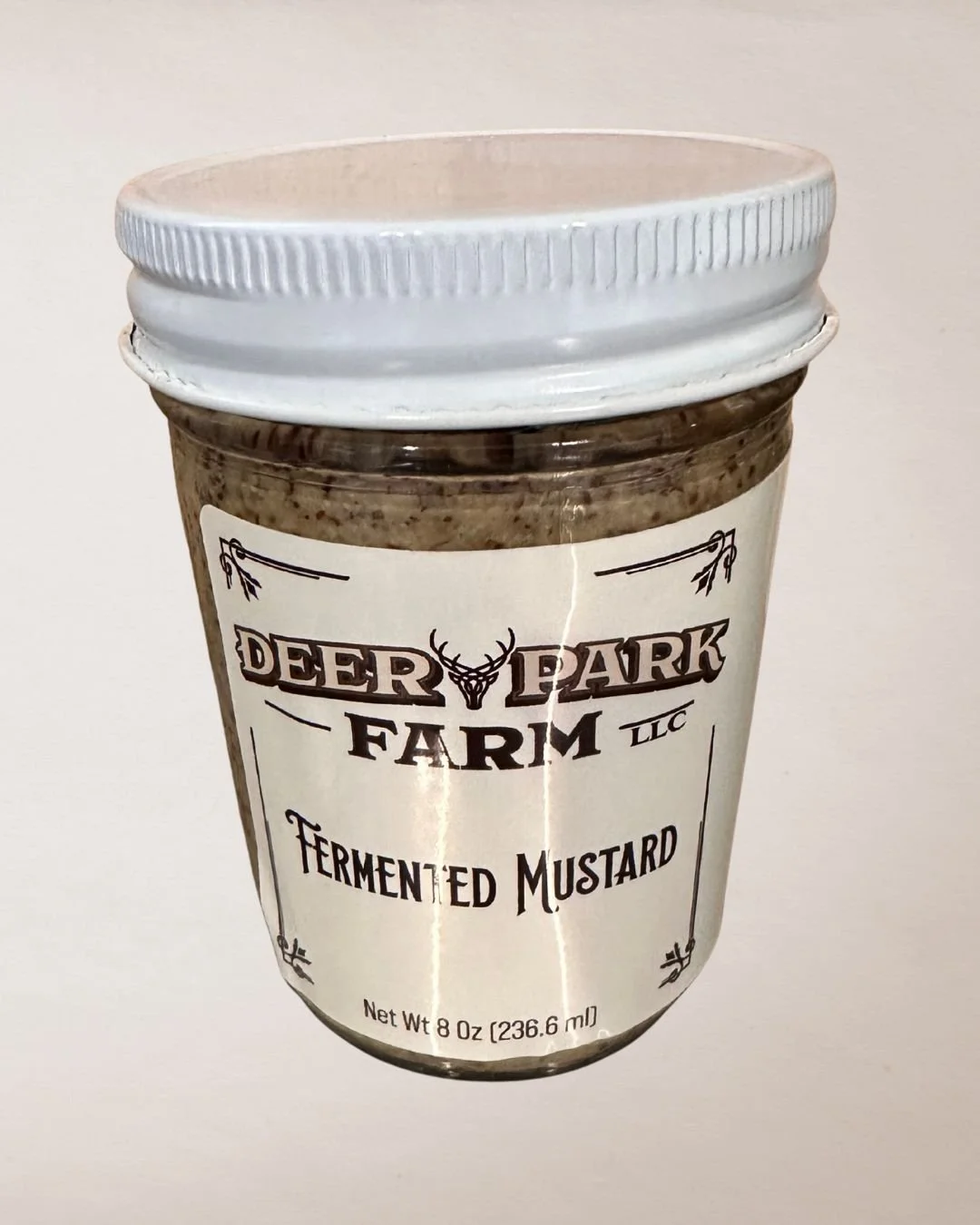
Slow-fermented for depth, tang, and bold flavor. Made in small batches with quality mustard seed and carefully selected ingredients, this mustard develops a complex, slightly sharp bite balanced by natural acidity from fermentation. It’s a versatile staple for sandwiches, sausages, marinades, cheese boards, and dressings, adding a rich, handcrafted flavor to everyday meals.
Convenience Can Still Mean Better Ingredients
Clean eating should also be realistic.
You should not have to cook every meal completely from scratch to feel good about what you are serving.
Our ravioli is made in our commercial kitchen and gives families an easy dinner option while still keeping transparency at the center. We use local ingredients to deliver the same quality and freshness we are known for. We are also honest about the ingredients we do not grow ourselves.
That matters to us because knowing where your food comes from should mean actually knowing.
Why Local Farms Matter
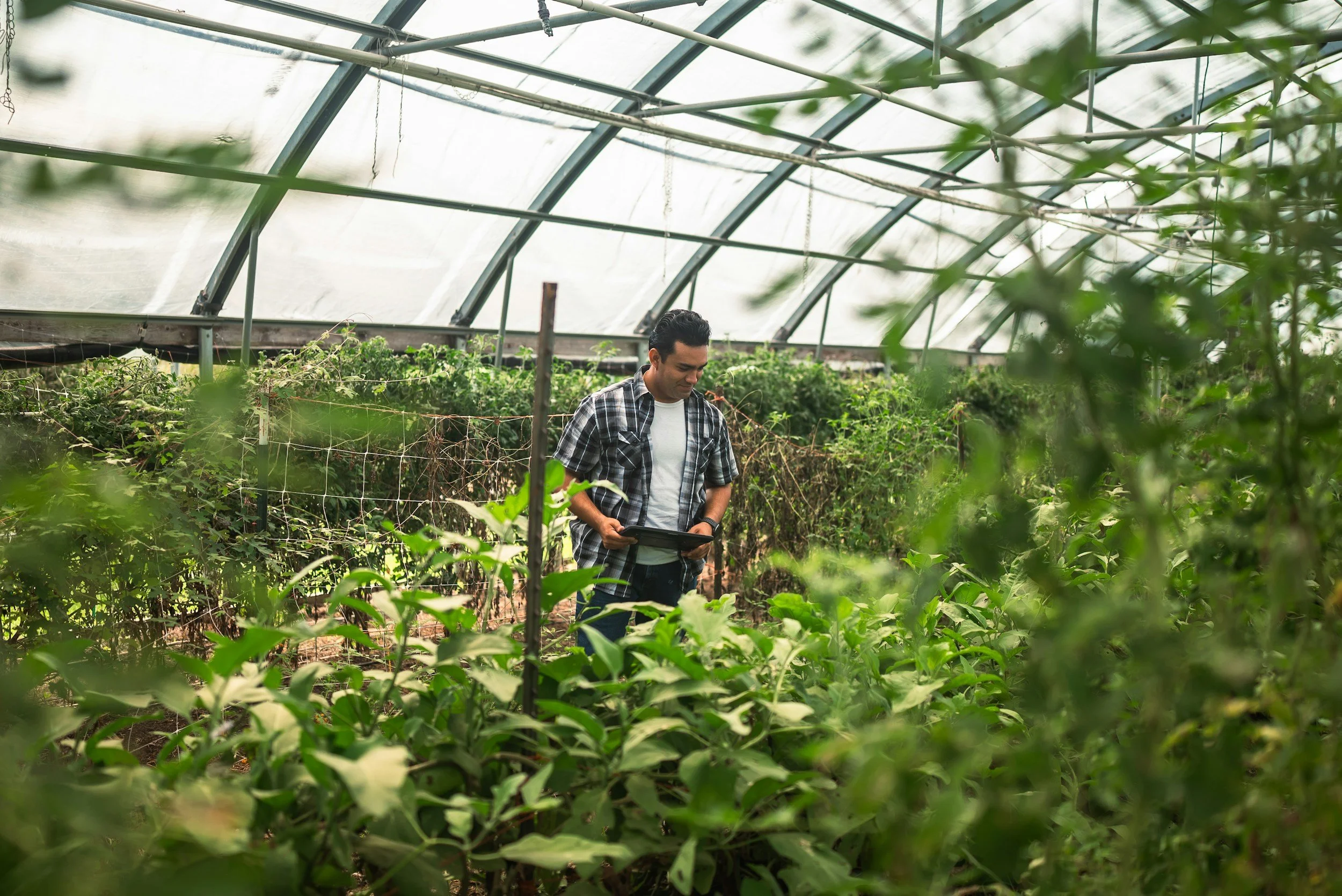
Buying local is not automatically healthier simply because something was grown nearby. What local farms can offer is connection and transparency.
You can ask who grew the tomatoes. You can find out where the peppers came from. You can learn how a product was made and what went into it.
At Deer Park Farm, many of the ingredients we grow eventually make their way into our own kitchen and become the sauces, salsas, pickles, fermented foods, pasta, and other products you take home.
For us, clean eating is not about perfection. It is about asking better questions, choosing real ingredients when you can, and getting closer to the people who grow and make your food.
Because the more you know about what is on your plate, the better choices you can make for yourself and your family.
Sources: National Institutes of Health, Centers for Disease Control and Prevention, Stanford Medicine.
