
Gut Health Starts with What You Feed It
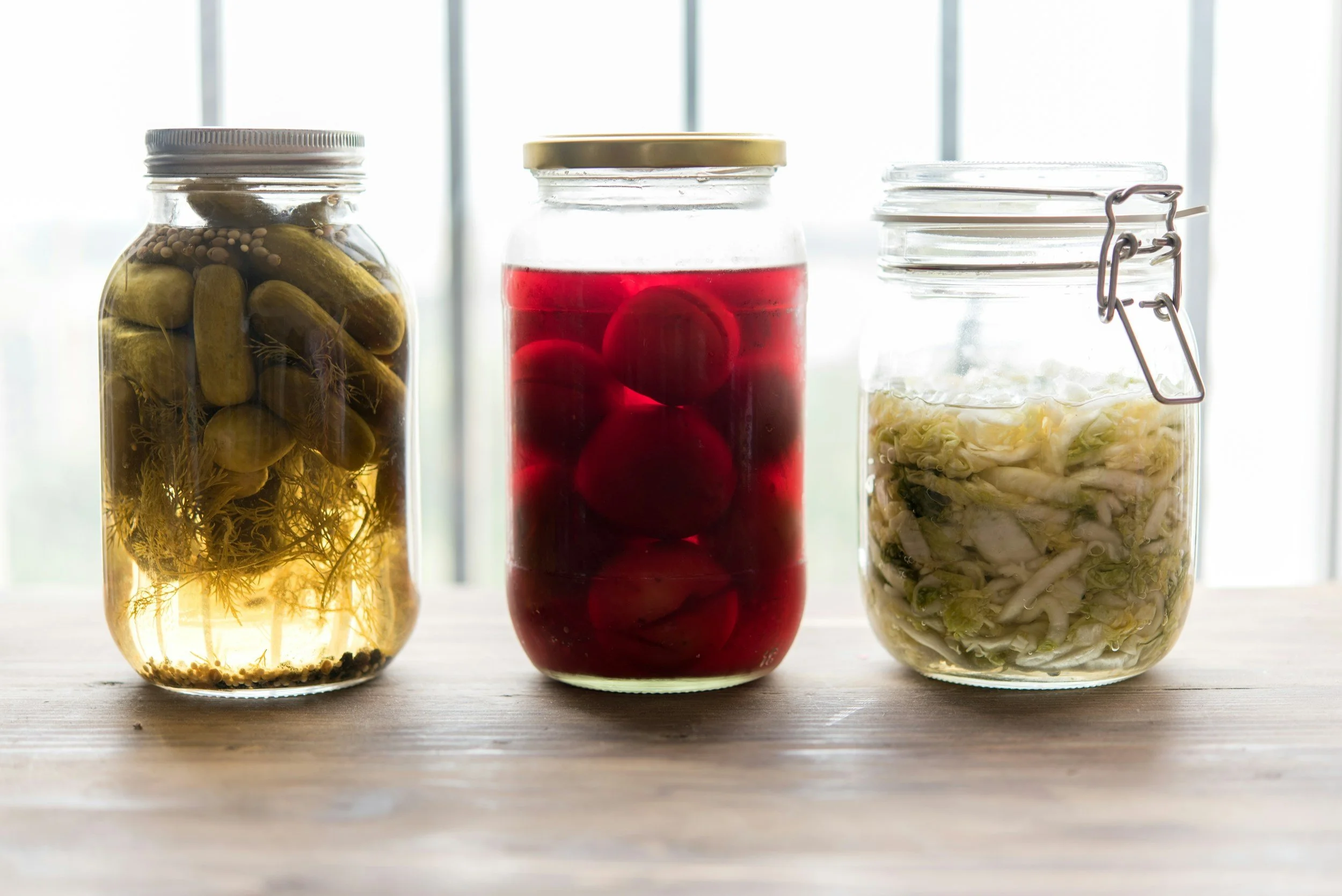
Gut health isn’t just a wellness buzzword. It’s the foundation of how your body functions every day.
Your digestive system is home to trillions of microbes that influence digestion, immune response, inflammation levels, and even mental health. When your gut microbiome is balanced and diverse, your body is better equipped to absorb nutrients, fight illness, and maintain overall wellness.
But modern diets have shifted dramatically in ways that work against this balance. Research shows that diets high in ultra-processed foods can reduce microbial diversity and increase inflammation — two key indicators of poor gut health. These foods often lack the fiber and natural compounds that beneficial bacteria need to survive, while additives and artificial ingredients can further disrupt the gut environment.
The good news is that supporting gut health doesn’t require complicated routines or expensive supplements. Often, it starts with simple, traditional foods.
The Power of Fermentation
Fermentation is one of the oldest food preservation methods in the world, but it does much more than extend shelf life. It transforms food at a biological level.
At Deer Park Farm, our sauerkraut begins with just two ingredients: fresh cabbage and salt. Once mixed, the salt draws out the cabbage’s natural juices, creating a brine that submerges the vegetables. This environment allows naturally occurring beneficial bacteria to flourish.
Over time, these bacteria consume the natural sugars in the cabbage and produce lactic acid. This process, known as lacto-fermentation, preserves the food while improving digestibility, and enhancing nutrient availability.
The result is a living food — one that continues to contain beneficial microbes that support gut health when consumed.
Why Fermented Foods Support the Gut
Fermented foods work in several ways to support a healthy microbiome. They introduce beneficial bacteria, help feed existing good microbes, and produce compounds that support gut function and reduce inflammation.
Studies have shown that regularly consuming fermented foods can increase microbiome diversity and improve immune markers. Even small daily servings have been linked to measurable improvements in gut health over time.
This is one reason why fermented foods have been staples in traditional diets across cultures for generations. They weren’t considered specialty health foods — they were simply part of everyday eating.

Not All Kraut Is the Same
One important distinction is that many commercial products labeled as sauerkraut are pasteurized or made with vinegar. While they may taste similar, pasteurization kills the beneficial live cultures created during fermentation.
Traditionally fermented, refrigerated kraut — like what we make at Deer Park Farm — is produced slowly and naturally, without shortcuts.
That difference matters when it comes to gut health.
Making Fermented Foods a Daily Habit
Supporting your gut doesn’t require dramatic changes. In fact, consistency matters far more than quantity.
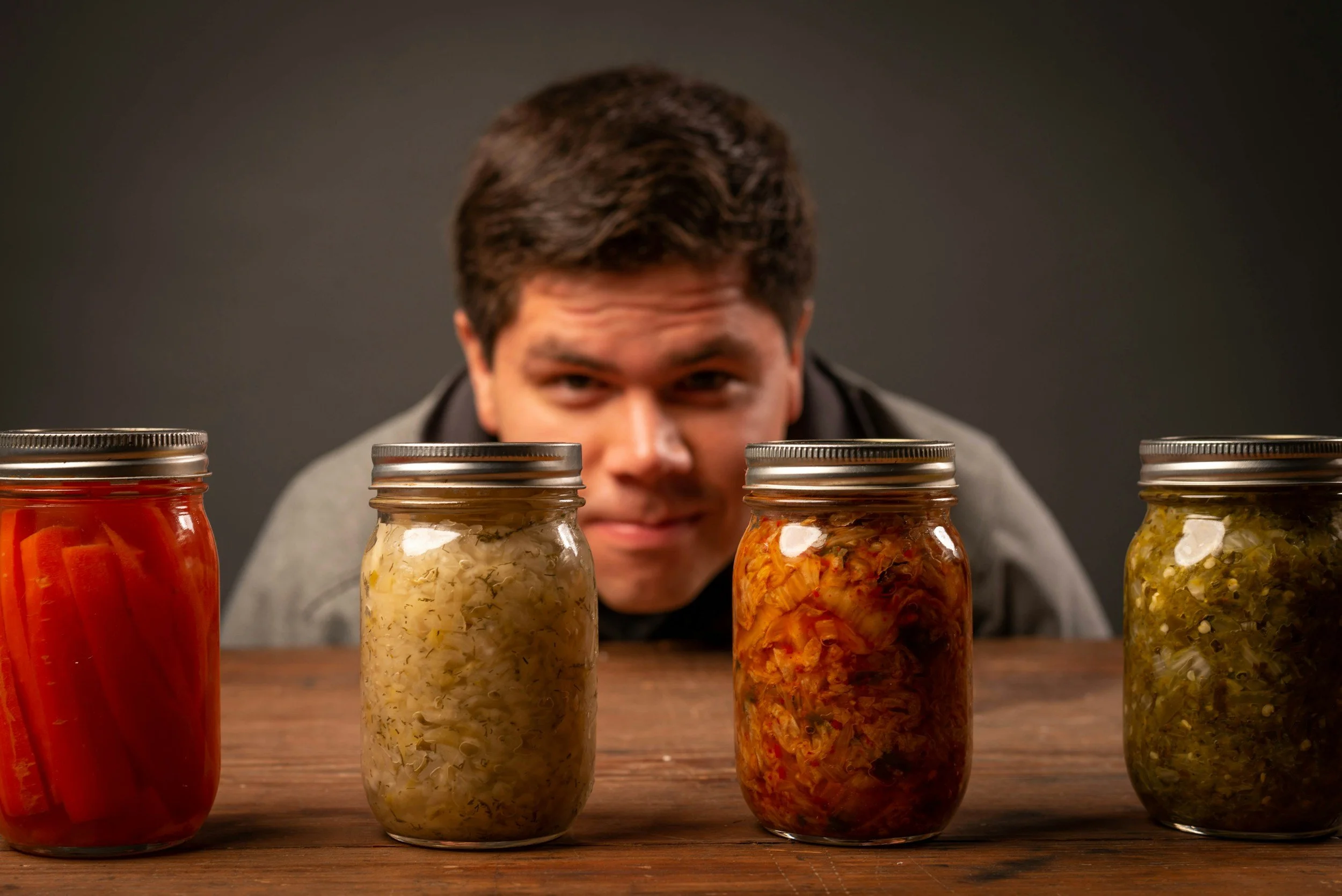
Adding just a small serving of fermented foods each day can help nurture beneficial bacteria and maintain microbiome balance. Whether it’s a forkful of kraut alongside a meal or incorporating other cultured foods into your routine, these small habits build over time.
At Deer Park Farm, fermentation is not a trend for us — it’s a return to traditional food practices that have supported health for generations. Our fermented goods are made in small batches using simple ingredients, allowing time and natural processes to do the work.
The Bigger Picture of Gut Health
Ultimately, gut health comes down to balance. Eating fewer ultra-processed foods, choosing whole ingredients, and regularly incorporating fermented foods can help restore and maintain a thriving microbiome.
Sometimes the most powerful steps toward better health aren’t complicated. They look like simple, traditional foods prepared the way they’ve been for centuries.
And often, it starts with something as humble as a spoonful of kraut.
